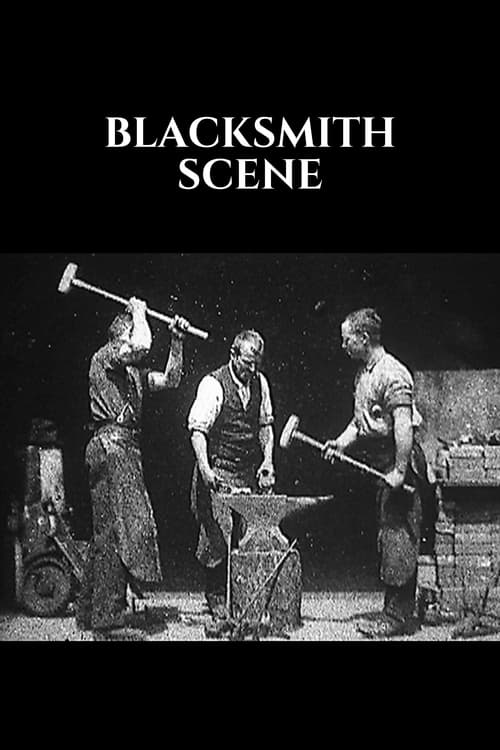
Three men hammer on an anvil and pass a bottle of beer around. Notable for being the first film in which a scene is being acted out.
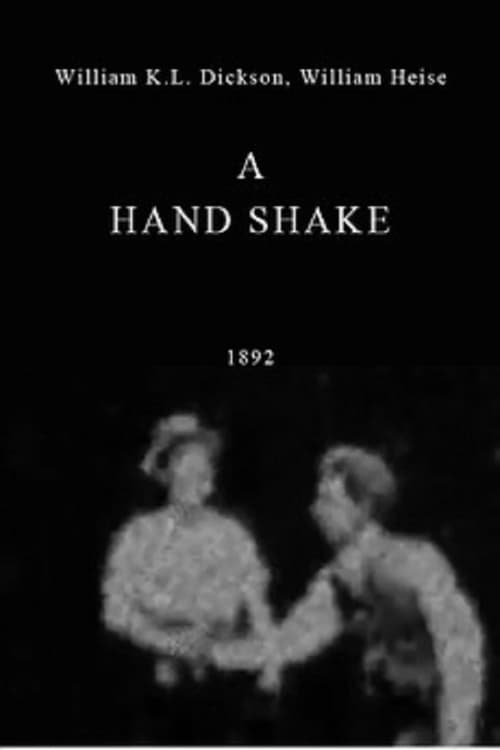
William K.L. Dickson and William Heise shake hands in this early experimental film.
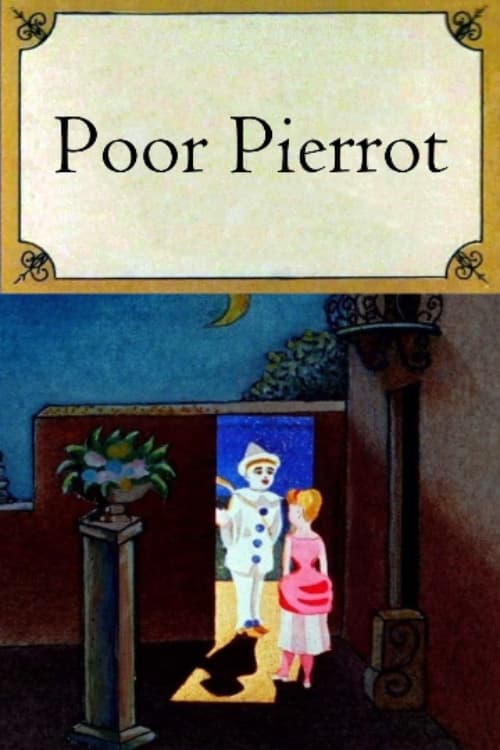
One night, Arlequin comes to see his lover Colombine. But then Pierrot knocks at the door and Colombine and Arlequin hide. Pierrot starts singing but Arlequin scares him and the poor man goes away.
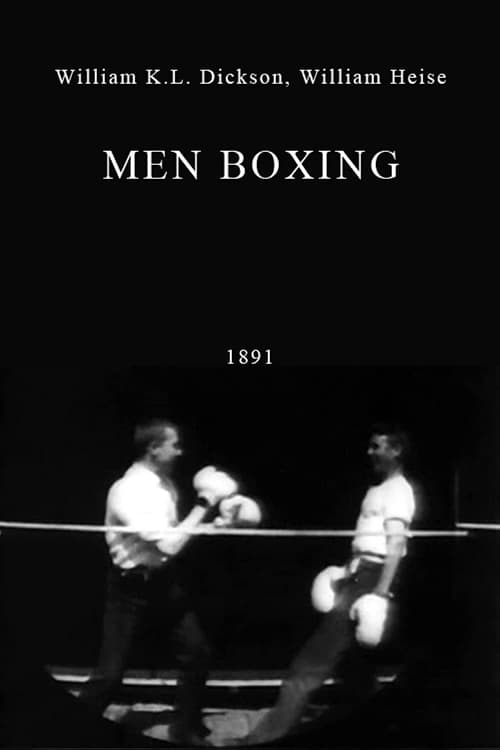
Experimental film fragment made with the Edison-Dickson-Heise experimental horizontal-feed kinetograph camera and viewer, using 3/4-inch wide film.
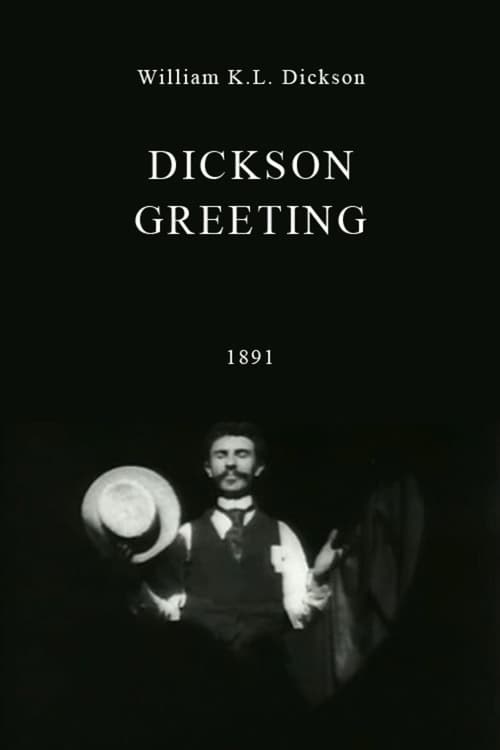
William K.L. Dickson brings his hat from his one hand to the other and moves his head slightly, as a small nod toward the audience. This was the first film produced by the Edison Manufacturing Company to be shown to public audiences and the press.
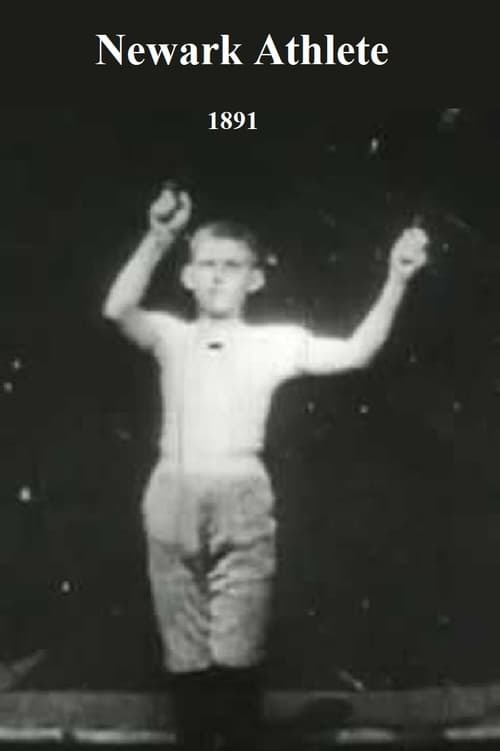
Experimental film fragment made with the Edison-Dickson-Heise experimental horizontal-feed kinetograph camera and viewer, using 3/4-inch wide film.
Moving picture of London's Trafalgar Square traffic, filmed with a kinesigraph.
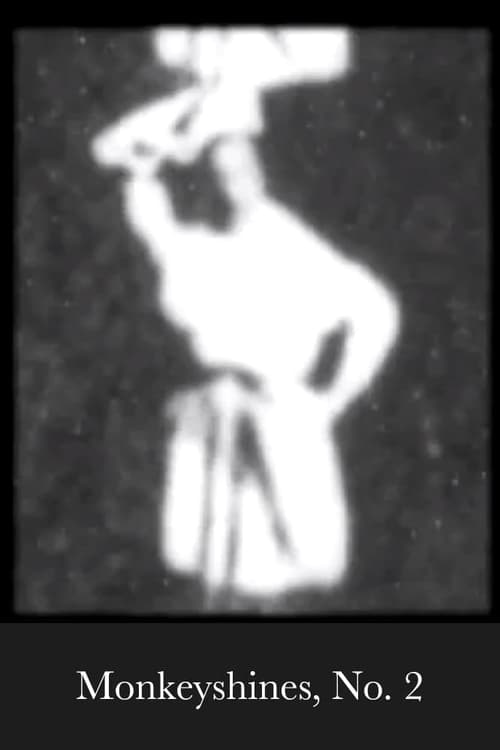
Experimental film that follows up on the results of "Monkeyshines, No. 1". Once again, an Edison company worker moves around in front of the motion picture camera.
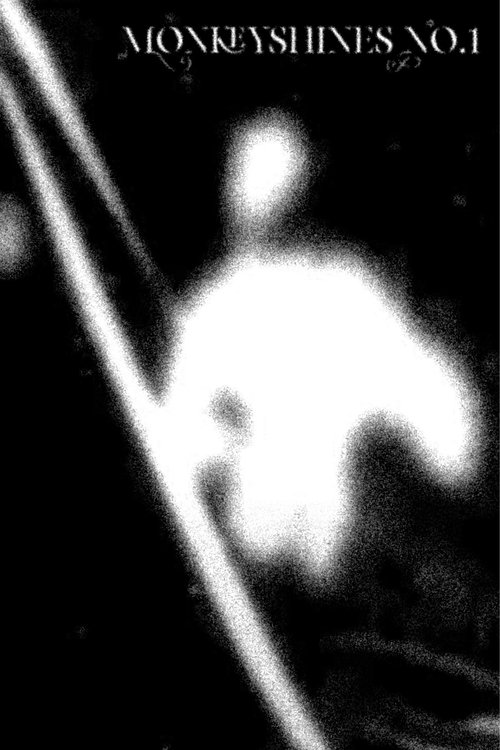
Experimental film made to test the original cylinder format of the Kinetoscope and believed to be the first film shot in the United States. It shows a blurry figure in white standing in one place making large gestures and is only a few seconds long.
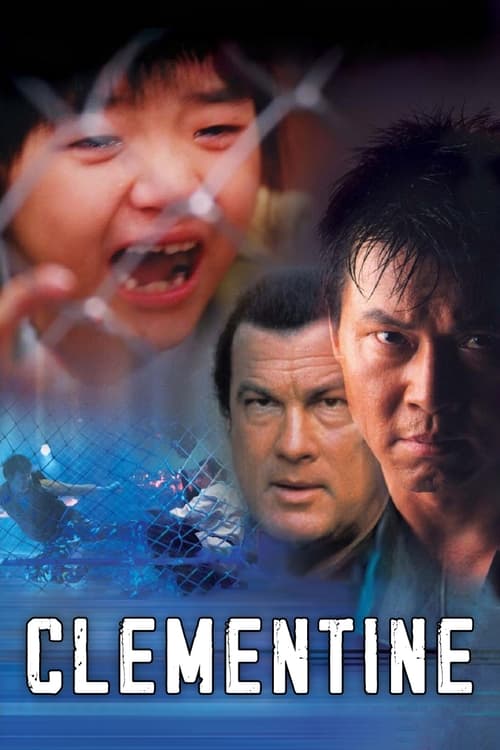
Kim, a Taekwondo champion decides to give up his fighting career for good in order to take care of his daughter Sa Rang. But when an evil gambling kingpin kidnaps Sa Rang, Kim must agree to fight in a rigged boxing match in exchange for Sa Rang's freedom.
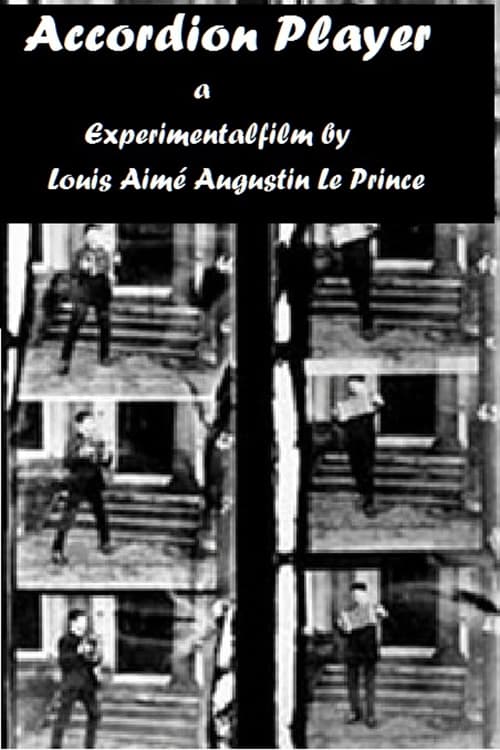
The last remaining film of Le Prince's LPCCP Type-1 MkII single-lens camera is a sequence of frames of his son, Adolphe Le Prince, playing a diatonic button accordion. It was recorded on the steps of the house of Joseph Whitley, Adolphe's grandfather.